.svg)
Get Free Consultation
Book Your Call

Book Your Call

Spiritual and religious books take many forms depending on the author's tradition, message, and intended reader. A meaningful book in this genre considers its audience's beliefs and expectations while presenting its message clearly and sincerely. Whether the goal is to guide, comfort, teach, or inspire, the writing needs to feel authentic to the author's voice and respectful of the subject matter it explores.
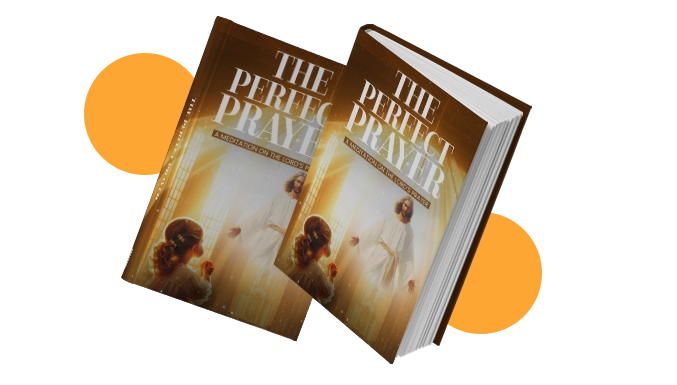
The spiritual and religious genre covers a broad range of formats created for different purposes and readers. Devotionals and prayer books often follow a daily or thematic structure meant to guide short periods of reflection, while religious nonfiction explores theology, scripture, or doctrine in greater depth. Spiritual growth books and inspirational faith titles tend to focus on personal application, helping readers connect belief to daily life.
Religious fiction and faith-based memoirs take a different approach, using narrative and personal testimony to communicate spiritual truth through story rather than direct teaching. Each format calls for a different balance of structure, tone, and depth. Knowing which category fits your message helps you shape a book that reaches its intended readers the way you intend.

Readers of spiritual and religious books look for sincerity. Whether the book draws on personal testimony, ministry experience, or theological study, the writing should reflect a genuine voice rather than a distant or generalized tone.

Faith traditions carry their own language, practices, and expectations. A meaningful book honors the terminology and context of the tradition it represents, or clearly states the spiritual perspective it draws from.

Strong spiritual books give readers something to do with what they've read, whether that's a reflection, a prayer, or a shift in perspective, rather than presenting ideas without practical connection.

Spiritual and religious writing often works well when it leaves room for the reader to pause and consider, rather than moving quickly through ideas without space for personal reflection.
A meaningful spiritual or religious book begins with a clear understanding of the message and the reader it's meant to reach. When tone, structure, and language fit the intended faith community or audience, authors can create a book that offers real spiritual value rather than surface-level inspiration. Start shaping your spiritual or religious book with a clear sense of the message you want readers to carry.
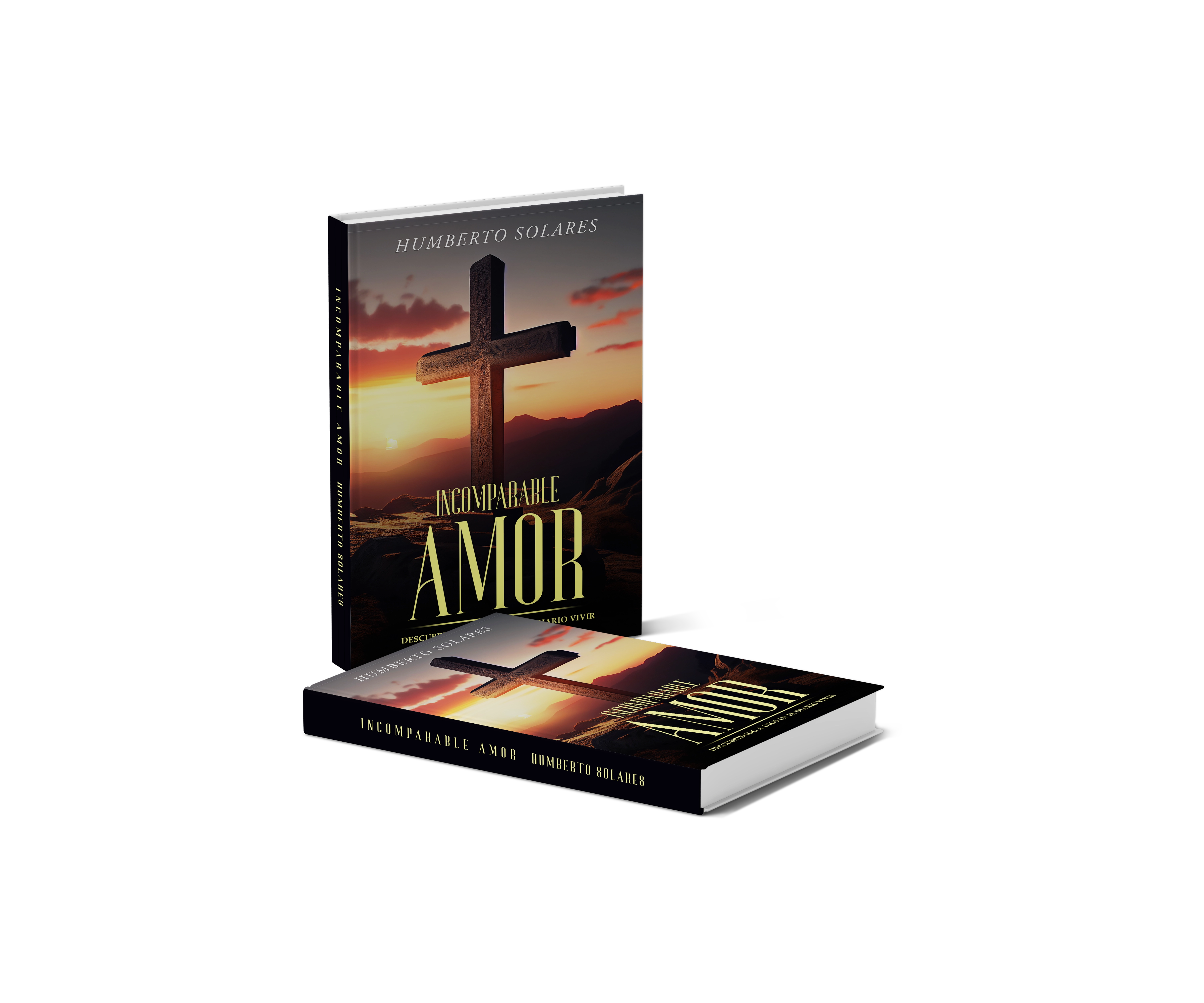
Creating a spiritual or religious book involves more than organizing a message into chapters. Authors need to consider the intended tradition or spiritual perspective, the writing's tone, the role of scripture or personal testimony, the structure of devotional or reflective content, and how to explain theological concepts to readers who may or may not be familiar with them. These elements work together to determine how clearly a book communicates its message.
A carefully developed spiritual or religious book can guide, comfort, or challenge readers while respecting the beliefs it represents. The right approach depends on the type of book, the faith tradition it speaks from, and the intended audience. Understanding these genre-specific considerations gives authors a stronger foundation for writing a book that feels sincere, accurate, and appropriate to its subject matter.

Developing a spiritual or religious book requires care with the author's message and the tradition or audience it's meant to reach. From the signed agreement to post-publication marketing, each step should support the book's purpose, sincerity, and intended readers.
Every spiritual or religious book begins with a clear agreement. This stage outlines the scope of work, timeline, and payment structure, so the author knows exactly what to expect before writing begins.
Structured interviews help capture the author's testimony, beliefs, and spiritual perspective. This stage gathers scripture references, personal experiences, and teaching points to shape the book's direction.
Draft chapters using the material gathered during discovery, organized around the book's central message. Each section guides, comforts, or teaches readers while staying true to the author's voice.
The manuscript is reviewed for clarity, tone, and theological accuracy. This stage improves readability and sincerity while preserving the author's voice and intended message.
Once the manuscript is finalized, we prepare the book for release. This stage covers the technical and design work needed to bring a spiritual or religious book to readers.
A published spiritual or religious book still needs visibility. This stage focuses on positioning the author and the book to reach the faith communities and readers it was written for.
When you're looking for ghostwriting support for your spiritual or religious book, Book Writers Hub provides a structured service experience built around your message, tradition, and intended audience.
| Features | Book Writers Hub | Independent Spiritual Writers | General Writing Studios | Typical Service Providers |
|---|---|---|---|---|
| Access to professional ghostwriting support for your spiritual or religious book. | ||||
| Author retains ownership and royalties in accordance with the agreed terms. | ||||
| Flexible payment plans to accommodate different project needs. | ||||
| Careful use of faith-specific language, scripture, and theological accuracy. | ||||
| Support across writing, editing, publishing, marketing and related book services. |
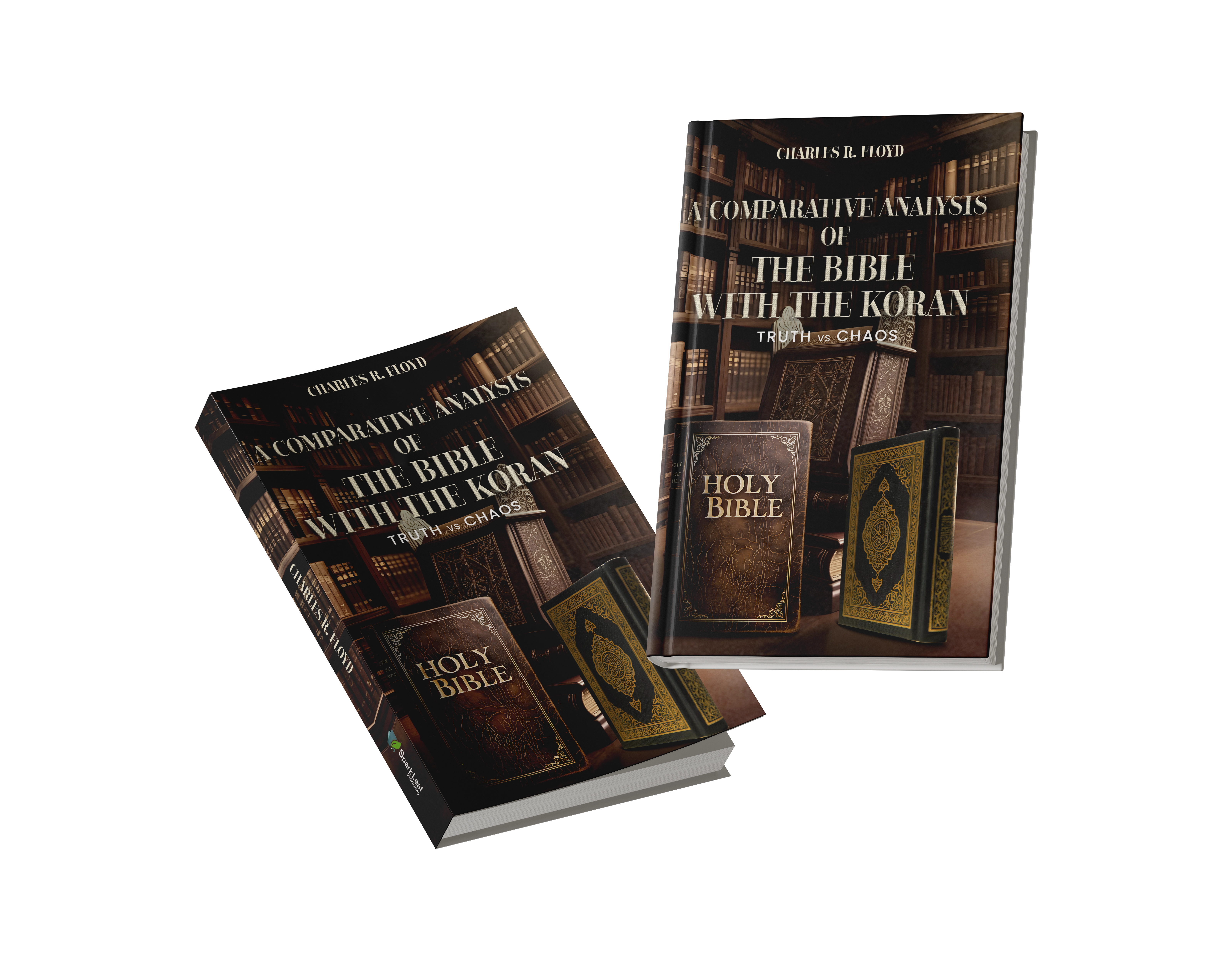
Your spiritual or religious message deserves a book structure that reflects its purpose and its intended readers. Whether you're developing a devotional, religious nonfiction, a faith-based memoir, or another format within the genre, understanding the genre's expectations can help you make stronger creative and publishing decisions. Get clear direction for your spiritual or religious book and bring your message closer to publication.
We've compiled answers to common questions authors have about spiritual and religious books, faith traditions, and developing a book for readers seeking meaning and reflection.
Spiritual and religious books include devotionals, prayer and reflection guides, religious nonfiction, theological works, faith-based memoirs, inspirational titles, and religious fiction. Each format approaches belief and meaning differently, but all center on a spiritual or faith-centered message.
Not necessarily. Some books are written from within a specific tradition and use its language and practices directly, while others take a broader spiritual approach centered on personal belief, purpose, or reflection. What matters most is that the book is clear and consistent about its perspective.
Religious nonfiction typically explains theology, doctrine, or teaching in a structured, explanatory way, while a faith-based memoir communicates spiritual truth through personal experience and narrative. Both can carry the same message, but they reach readers through different approaches.
Yes. Our writers work closely with authors to ensure that scripture references, theological concepts, and faith-specific terminology are represented accurately and respectfully throughout the manuscript, in line with the author's own tradition and intent.
Authors should think about their intended reader, the faith community they hope to reach, the tone they want the book to carry, and how the book will be positioned for readers searching for that spiritual or religious content. Planning these details early makes the writing and publishing process more focused.

© 2026 Book Writers Hub All Rights Reserved.