.svg)
Get Free Consultation
Book Your Call

Book Your Call
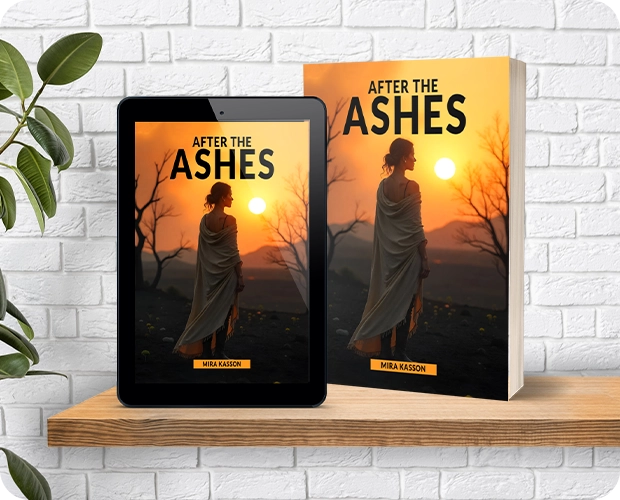
Fiction can take many shapes depending on length, genre, and the kind of experience an author wants to create. A strong fiction manuscript considers what a reader expects from its category while still delivering original characters, a distinctive voice, and a plot that holds together from the opening page to the resolution.

Fiction spans several formats depending on scope and pacing. Novels give a story room for multiple characters and a fully realized setting, while a novella writer for hire often shapes a tighter, faster-moving arc instead. Short story collections ask each piece to stand alone while sharing a theme, and a short story collection writer helps tie that thread together. Turning a short story into a full novel is a common next step once a smaller idea reveals a larger one.
Genre shapes fiction as much as format does. A historical fiction ghostwriter blends period detail into an emotionally engaging story, while a contemporary fiction author reflects present-day settings and concerns. A science fiction novel writer builds internally consistent worlds that support rather than overwhelm the plot, and a coming-of-age novel writer shapes stories built around growth and self-discovery, a journey that young adult fiction often follows with its own pacing and structural expectations.

Fiction lives or dies on character. Readers need people to root for or question, and clear motivation, consistent voice, and real growth give characters the depth that keeps a story memorable long after the last page.

A fiction novel needs a plot that moves with intention. Pacing should build tension where a story calls for it and slow down where character or theme needs room, whether the arc is traditional or nonlinear.

Voice separates one fiction book from another, even when they share a similar premise. Point of view, tone, and sentence rhythm shape how a story feels, and a consistent voice helps a commercial fiction manuscript writer stand out within a crowded genre.

Conflict drives fiction forward, whether external, internal, or both. The strongest stories connect that conflict to a theme, exploring ideas such as identity, belonging, or ambition, without turning the narrative into a lesson rather than a story.
A strong fiction manuscript begins with an understanding of genre and audience. When character, plot, conflict, and voice are developed together, an expert young adult fiction author or literary novelist alike can create a reading experience that feels complete. Let’s shape your fiction concept with a clear sense of the story you want readers to remember.
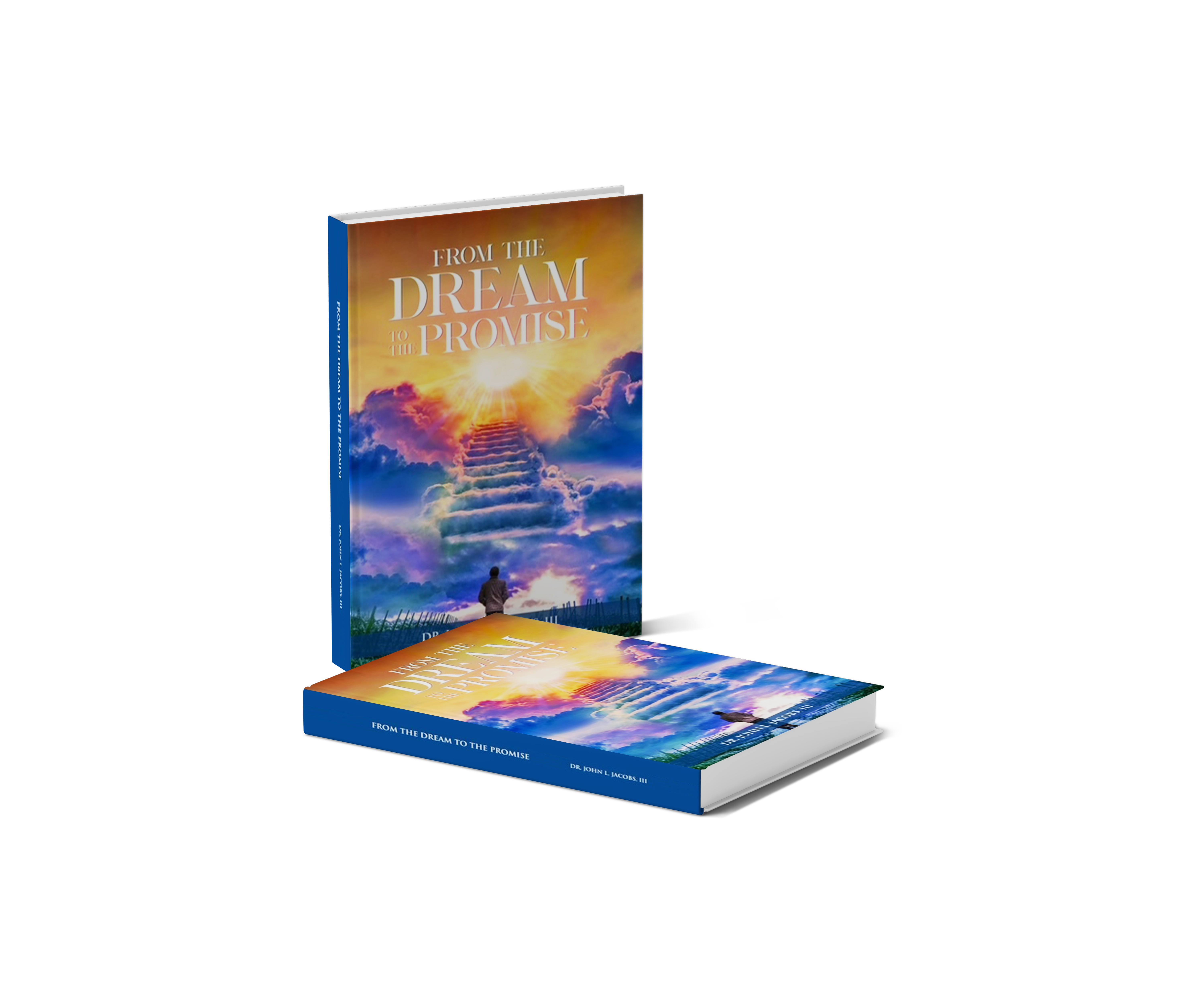
Developing a fiction book involves more than a strong premise. Authors need to consider genre conventions, structure, character arcs, setting, pacing, and narrative voice. These elements work together to determine how well a manuscript connects with readers and whether it fits within literary fiction, commercial fiction, or a specific genre such as historical fiction.
A well-developed fiction manuscript can entertain while exploring theme, character, and the balance between originality and reader expectation. The right approach depends on the genre and story an author wants to tell. Understanding these genre-specific considerations gives authors a stronger foundation for a manuscript that feels intentional and ready for publishing.

Developing a fiction book requires a clear understanding of the author's story and a thoughtful approach to structure. From the signed agreement to post-publication marketing, each step should support the book's voice, genre, and reader experience.
Every fiction project starts with a clear working agreement. This stage confirms the manuscript's scope, timeline, and payment terms, giving the author clarity on the process before a single chapter is drafted.
Structured discovery sessions capture the author's story idea, genre direction, and creative vision. This stage gathers characters, setting, and plot direction to shape the manuscript's direction.
Chapters are drafted around the outlined plot, characters, and setting, building the story scene by scene. Each chapter is shaped to hold reader attention while staying true to the book's genre and voice.
The manuscript is reviewed for pacing, clarity, and consistency. This stage strengthens plot structure and dialogue while preserving the author's narrative voice and the story's intent.
Once the manuscript is finalized, we prepare the book for release. This stage covers the design and technical work needed to bring a fiction book to market.
A published fiction book still needs visibility. This stage focuses on positioning the author and the story to reach the readers it was written for, across the book's genre and category.
When you're looking for a professional debut novelist ghostwriter or steady self published fiction author support, we provide a structured writing and publishing experience designed around your story's genre, voice, and audience.
| Features | Book Writers Hub | Independent Fiction Writers | General Writing Studios | Typical Service Providers |
|---|---|---|---|---|
| Access to professional ghostwriting support for your Fiction book. | ||||
| Author retains ownership and royalties in accordance with the agreed terms. | ||||
| Flexible payment plans to accommodate different project needs. | ||||
| Publishing and distribution support for your completed book. | ||||
| Support across writing, editing, publishing, and related book services. |
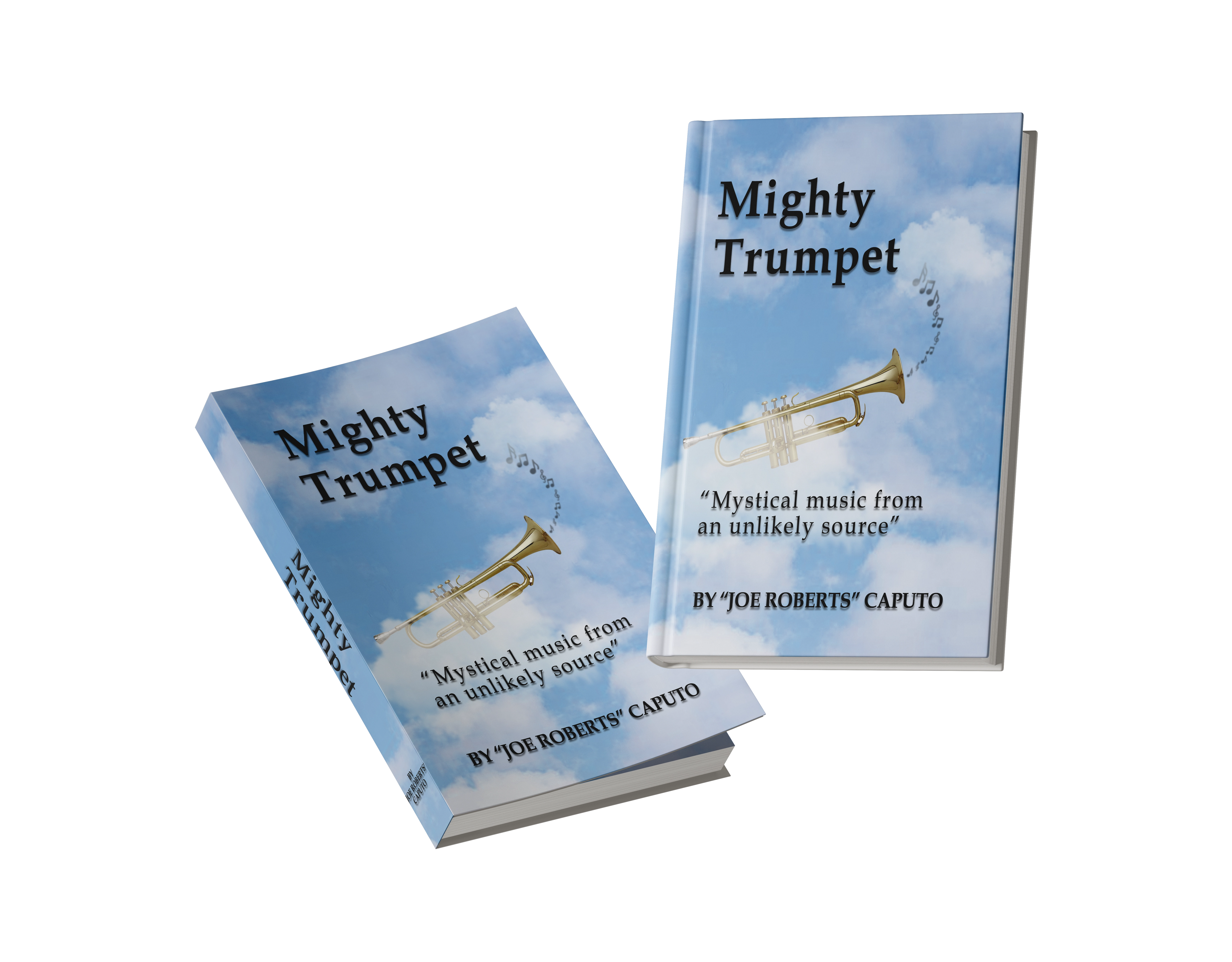
Your fiction concept deserves a structure that matches its genre and its readers. Whether you're working with our USA based literary fiction ghostwriter or an expert science fiction novelist for hire, understanding fiction as a genre can help you make stronger creative and publishing decisions. Let’s start with a clear direction for your fiction book and bring your story closer to publication.
We've compiled answers to questions people ask about writing literary fiction, including storytelling, structure, and developing a fiction book.
Fiction covers a wide range of categories, including literary fiction, commercial fiction, historical fiction, contemporary fiction, science fiction, fantasy, romance, mystery, and thriller, along with subgenres such as coming-of-age and young adult fiction. Some authors hire a young adult fiction ghostwriter specifically for that category, since each carries its own conventions around pacing, tone, and reader expectations.
Fiction is commonly written as novels, novellas, or short story collections. Novels allow room for multiple characters and subplots, novellas offer a tighter structure for a single focused arc, and short story collections bring together standalone pieces that often share a theme or narrative voice.
Most fiction novels follow a structure built around setup, rising conflict, a turning point, and resolution, though the exact shape depends on genre and story. Strong plot structure connects each scene to character motivation and keeps tension building toward a meaningful climax.
Short story collections typically range from around 40,000 to 80,000 words across multiple pieces, though this varies by genre and publishing goals. What matters most is that each story earns its place and the collection holds together as a whole.
A good fiction book combines a clear narrative voice, well-developed characters, purposeful pacing, and a plot that delivers on what its genre promises. The right balance depends on the category, whether that is literary fiction, a commercial thriller, or a genre-driven story such as fantasy or science fiction.

© 2026 Book Writers Hub All Rights Reserved.