.svg)
Get Free Consultation
Book Your Call

Book Your Call

Non-fiction books can take many forms depending on the subject, the audience, and the purpose behind the material. A non-fiction book considers what readers need to know while still delivering a clear structure, credible information, and an engaging reading experience.
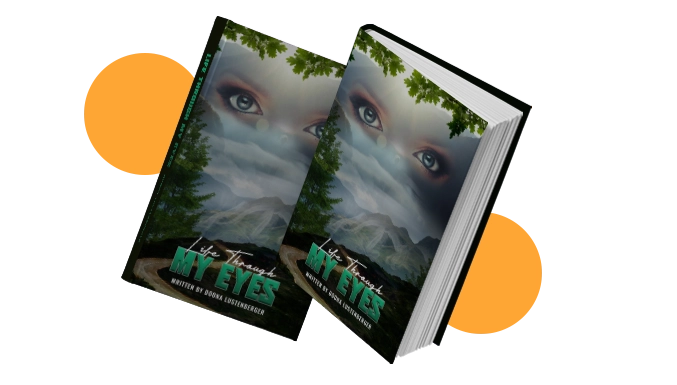
The non-fiction genre covers a wide range of books shaped by subject, purpose, and audience. Narrative nonfiction and memoir combine factual accuracy with storytelling techniques usually associated with fiction. In contrast, our expert popular history book writer or a true crime nonfiction writer relies on documented research to bring real events and people to life. Business, self-help, travel, and academic nonfiction each call for a different balance of structure, evidence, and voice.
Each category requires a different approach to research, tone, and organization. A popular science book ghostwriter or expert science communication book writer must translate complex ideas into accessible language, while an essay collection ghostwriter works with a more personal, reflective voice. Academic nonfiction ghostwriting demands a more formal, citation-driven approach, and a travel nonfiction writer for hire often blends personal observation with cultural or historical context. Understanding these distinctions helps subject matter experts choose the right structure for their material and their readers.

Non-fiction books depend on accurate, well-researched information that readers can engage with. Verified facts, credible sources, and careful fact-checking give a book its authority, especially in subject areas like science, history, and business, where accuracy directly affects how the book is received.

A non-fiction book benefits from a voice that reflects genuine subject matter expertise or lived experience. Working with our subject matter expert book ghostwriter can help translate deep knowledge into an authentic voice that stays clear and accessible to readers.

Strong non-fiction books organize research, evidence, and ideas into a structure readers can follow. A clear argument or narrative arc, supported by logical progression and well-placed evidence, helps readers absorb complex information without losing interest.

Readers turn to non-fiction for information, guidance, or insight they can apply to their own lives. Books that connect research or expertise to real situations, whether practical, historical, or personal, tend to feel more useful and memorable to their intended audience.
A strong non-fiction book begins with a clear understanding of its subject and its readers. When you develop research, structure, and voice around the intended audience, you can turn expertise or experience into a book that feels both credible and engaging. Let’s start shaping your non-fiction book idea with a clear sense of the readers you want to reach and the value you want to offer them.
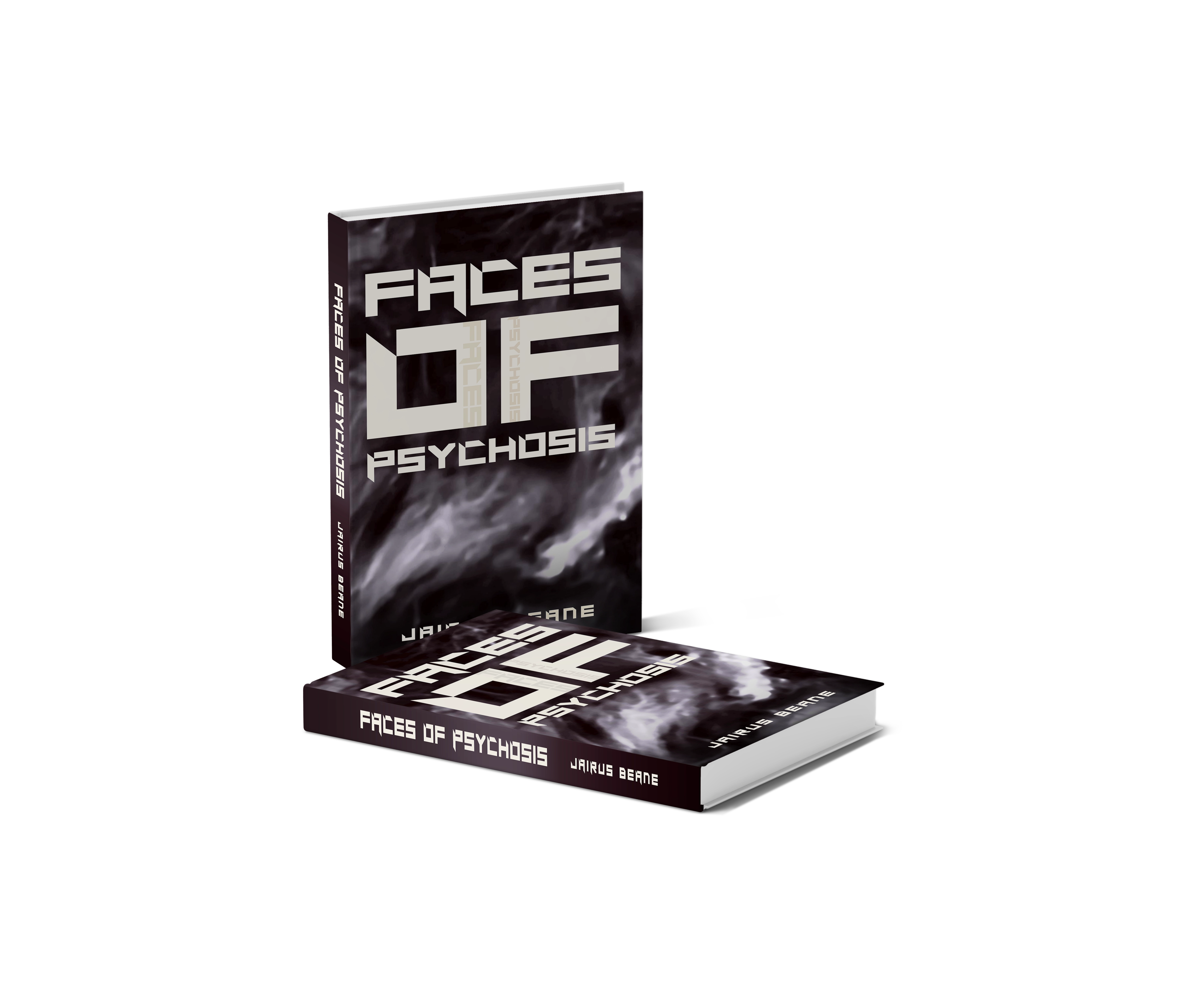
Creating a non-fiction book involves more than presenting facts in order. Authors must consider research depth, source credibility, narrative structure, argument development, pacing, and how much personal voice or storytelling fits the subject matter. These elements work together to determine how effectively a book communicates real information to its intended readers.
A well-developed nonfiction book can inform while also engaging readers through structure, evidence, and voice. The right balance between fact and storytelling depends on the category, whether narrative nonfiction, memoir, academic writing, or a practical business or self-help book. Many professionals hire a nonfiction subject matter ghostwriter to translate deep subject knowledge into a manuscript structured for general readers, giving authors and subject matter experts a stronger foundation for turning research into a nonfiction book readers can rely on.

Developing a non-fiction book requires a clear understanding of the author's expertise and a thoughtful approach to research and structure. From the signed agreement to post-publication marketing, each step should support the book's accuracy, message, and credibility.
Every non-fiction book begins with a clear working agreement. This stage sets the project scope, timeline, and how we'll handle research, interviews, and payments before writing begins.
Structured interviews and research sessions capture the author's expertise, sources, and perspective. This stage gathers facts, documentation, and personal insight to shape the book's argument and structure.
Chapters are drafted from the research and interviews gathered during discovery, organized around the book's central argument or narrative. Each section balances accurate information with a voice that keeps readers engaged.
The manuscript is reviewed for clarity, structure, and accuracy. This stage checks sources, strengthens the argument, and refines the author's voice without compromising factual integrity.
Once the manuscript is finalized, we prepare the book for release. This stage covers the technical and design work needed to bring a non-fiction book to market.
A published non-fiction book still needs visibility. This stage focuses on positioning the author and the book to reach the readers, professionals, or specialists it was written for.
When you're looking for a professional nonfiction book proposal writer or ghostwriting support for your non-fiction book, Book Writers Hub, a USA based nonfiction book ghostwriter team, provides a structured writing and publishing experience designed around your book's goals, voice, and audience.
| Features | Book Writers Hub | Independent Non-Fiction Writers | General Writing Studios | Typical Service Providers |
|---|---|---|---|---|
| Access to professional ghostwriting support for your Non-Fiction book. | ||||
| Author retains ownership and royalties in accordance with the agreed terms. | ||||
| Flexible payment plans to accommodate different project needs. | ||||
| Publishing and distribution support for your completed book. | ||||
| Support across writing, editing, publishing, and related book services. |
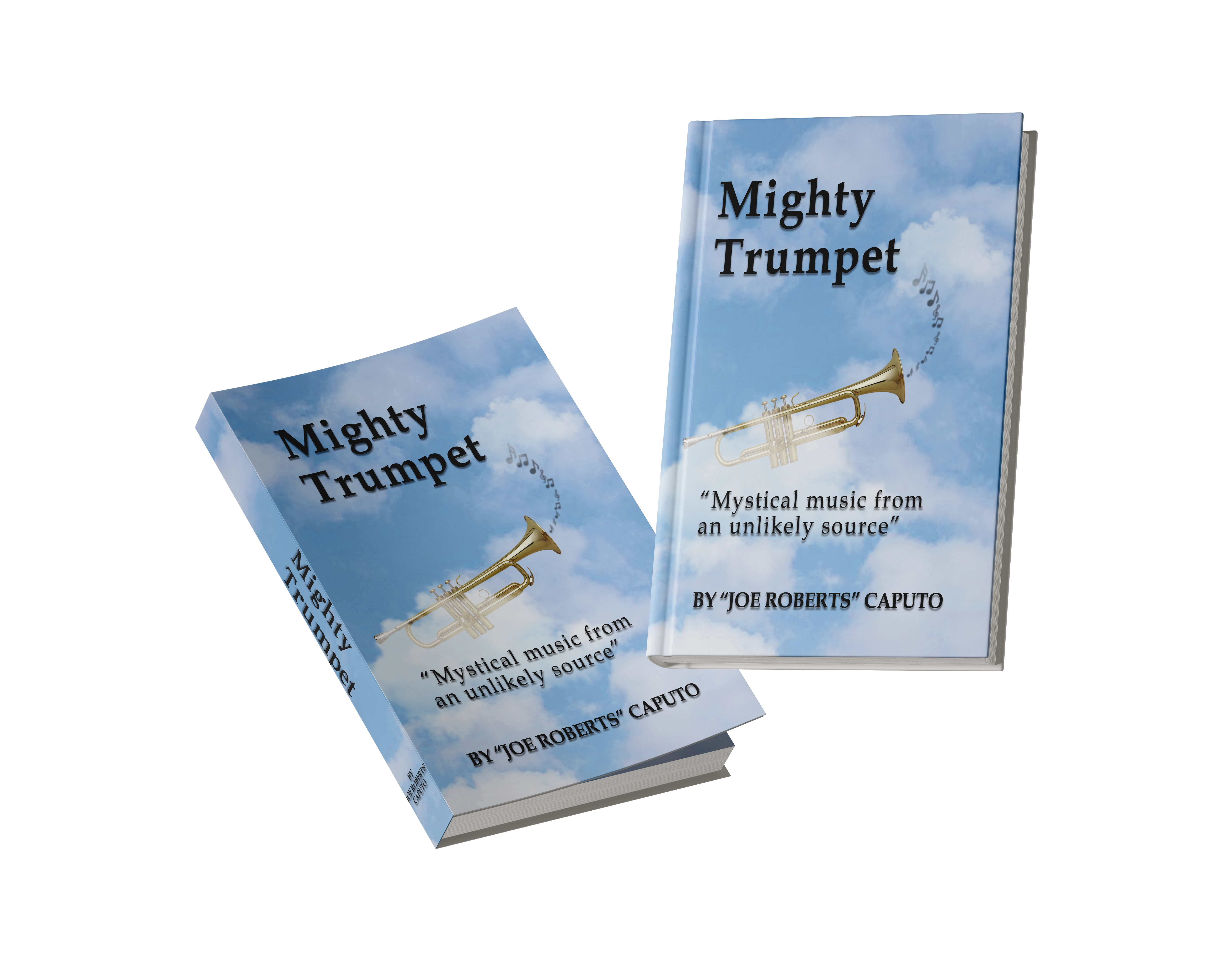
Your non-fiction book idea deserves a structure that matches its subject and its intended readers. Whether you are developing narrative nonfiction, a memoir, a popular science book, or a general knowledge book, understanding the genre can help you make stronger research, writing, and publishing decisions. Our research based nonfiction writing services support authors from the first outline through a completed manuscript. If you need to hire a ghostwriter for a nonfiction book proposal before your book is even written, that support starts even earlier. Get started with a clear direction for your nonfiction book and bring your research or expertise closer to publication.
We've compiled answers to common questions authors have about non-fiction books, research, factual accuracy, and turning expertise into a published book.
Non-fiction spans several categories, including narrative nonfiction, memoir, biography, essay collections, popular history, popular science, business, self-help, travel writing, and academic nonfiction. Each category uses research and factual accuracy differently, from the personal reflection of a memoir to the citation-driven approach of academic work.
A good non-fiction book combines accurate, well-sourced information with a clear structure and an authentic author voice. Readers expect credible, useful content, but the strongest non-fiction books also hold attention through pacing, evidence, and a narrative or argument that keeps building.
Timelines vary by category, the depth of research required, and how much material the author already has. A memoir built from personal experience may move faster than a research-heavy popular science or academic book, where source verification and fact-checking take additional time.
Narrative nonfiction uses storytelling techniques to present factual events, people, or subjects, and can cover topics far beyond the author's own life. Memoir is a specific form of narrative nonfiction focused on the author's personal experience, told from their own perspective and shaped by their memory and reflection.
Nonfiction ghostwriting costs depend on the book's length, the amount of research and interviews required, and the category, since academic or heavily researched subjects typically involve more work than a shorter memoir or essay collection. A clear quote should come after you discuss your project's scope, sources, and goals.

© 2026 Book Writers Hub All Rights Reserved.