.svg)
Get Free Consultation
Book Your Call

Book Your Call

Mystery books take many shapes depending on tone, setting, and how much the reader is meant to see coming. A cozy mystery set in a small town reads very differently from a tense psychological mystery or a procedural built around forensic detail. Every strong mystery shares a central question worth solving, a cast of suspects with real motives, and a structure that reveals just enough to move the story forward without giving away the answer too soon.
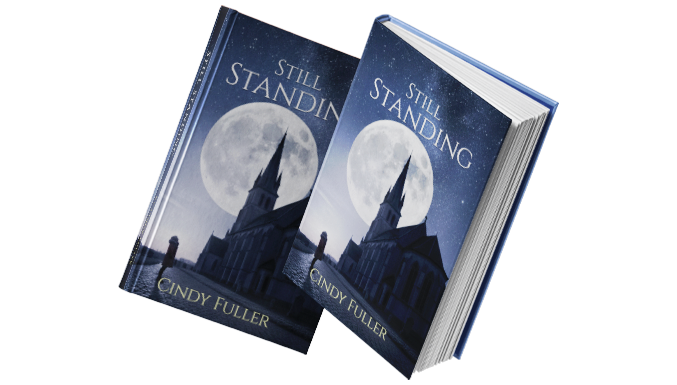
The mystery genre covers a wide range of styles built around investigation and discovery. Cozy mysteries favor lighter tones, amateur sleuths, and low violence, often set within a tight community where everyone has a secret. Crime mysteries and police procedurals lean into realistic investigative detail, while psychological mysteries focus on unreliable narrators, shifting perception, and the question of who can be believed. Classic whodunits center on a closed circle of suspects and a detective piecing together the truth from scattered evidence.
Each style asks something different of the author. A cozy mystery needs charm and a strong sense of place alongside its puzzle. A psychological mystery depends on voice and misdirection more than physical clues. Knowing which style fits your story helps you choose pacing, point of view, and how much the reader should know at any moment, so the mystery unfolds with the right rhythm from the first chapter to the last.

A mystery works well when clues are visible in hindsight but easy to overlook the first time through. Red herrings should feel like reasonable leads, not tricks played on the reader, so the eventual reveal feels earned rather than arbitrary.

Every suspect needs a real motive, a plausible opportunity, and something to hide, even if it isn't the crime being investigated. A cast of suspects who each seem capable of guilt keeps readers actively guessing instead of settling on one answer too early.

Mystery pacing depends on a steady release of information. Discoveries, setbacks, and rising stakes need to be spaced so tension builds toward the climax instead of flattening out in the middle chapters.

The ending has to answer the central question in a way that respects everything that came before it. A reveal that reframes earlier scenes without contradicting them is what makes readers want to go back and read the story again.
A strong mystery begins with a question worth answering and a structure built to protect that answer until the right moment. When authors plan clues, suspects, and pacing around the eventual reveal, they can build a puzzle that rewards careful readers instead of confusing them. Start shaping your mystery with a clear sense of what the truth is and how much the reader should learn at each stage of the investigation.
Developing a mystery involves more than deciding who did it. Authors need to map the timeline of events, what each suspect knows and conceals, how the detective or amateur sleuth gathers information, and where to place red herrings so they mislead without feeling unfair. These elements have to line up so the plot holds together once the solution is revealed.
A carefully developed mystery keeps readers engaged through both the investigation and the emotional stakes, whether that's a sleuth's personal risk, a community's unease, or a detective's own doubts. The right balance depends on the subgenre and audience the book is written for. Understanding these genre-specific considerations gives authors a stronger foundation for building a mystery that stays coherent from the opening clue to the final confrontation.

Developing a mystery requires a clear understanding of the plot's clues, suspects, and reveal, along with a thoughtful approach to pacing. From the signed agreement to post-publication marketing, each step should support the story's structure and the reader's experience.
Every mystery ghostwriting project begins with a clear agreement. This stage outlines the scope of work, confidentiality terms, and payment structure, so the author knows exactly what to expect before the plot takes shape.
Structured interviews uncover the author's mystery concept, preferred subgenre, and central premise. This stage gathers the case details, suspects, and tone needed to shape the investigation.
Chapters are drafted around the central mystery, weaving clues, red herrings, and suspect interactions into a structured investigation. Each chapter maintains tension while moving the plot toward its reveal.
The manuscript is reviewed for plot consistency, clue logic, and pacing. This stage strengthens the mystery's structure and readability while preserving the author's voice and the story's twists.
Once the manuscript is finalized, we prepare the mystery for release. This stage covers the technical and design work needed to bring the book to market.
A published mystery still needs visibility among the readers who enjoy the genre. This stage focuses on positioning the author and the book to reach readers looking for their next suspenseful read.
When you're looking for ghostwriting support for your mystery, Book Writers Hub provides a structured writing and publishing experience designed around your plot, clues, and reveal.
| Features | Book Writers Hub | Independent Mystery Writers | General Agencies | Typical Writing Providers |
|---|---|---|---|---|
| Access to professional ghostwriting support for your Mystery book. | ||||
| Author retains ownership and royalties in accordance with the agreed terms. | ||||
| Flexible payment plans to accommodate different project needs. | ||||
| Publishing and distribution support for your completed book. | ||||
| Support across writing, editing, publishing, and related book services. |
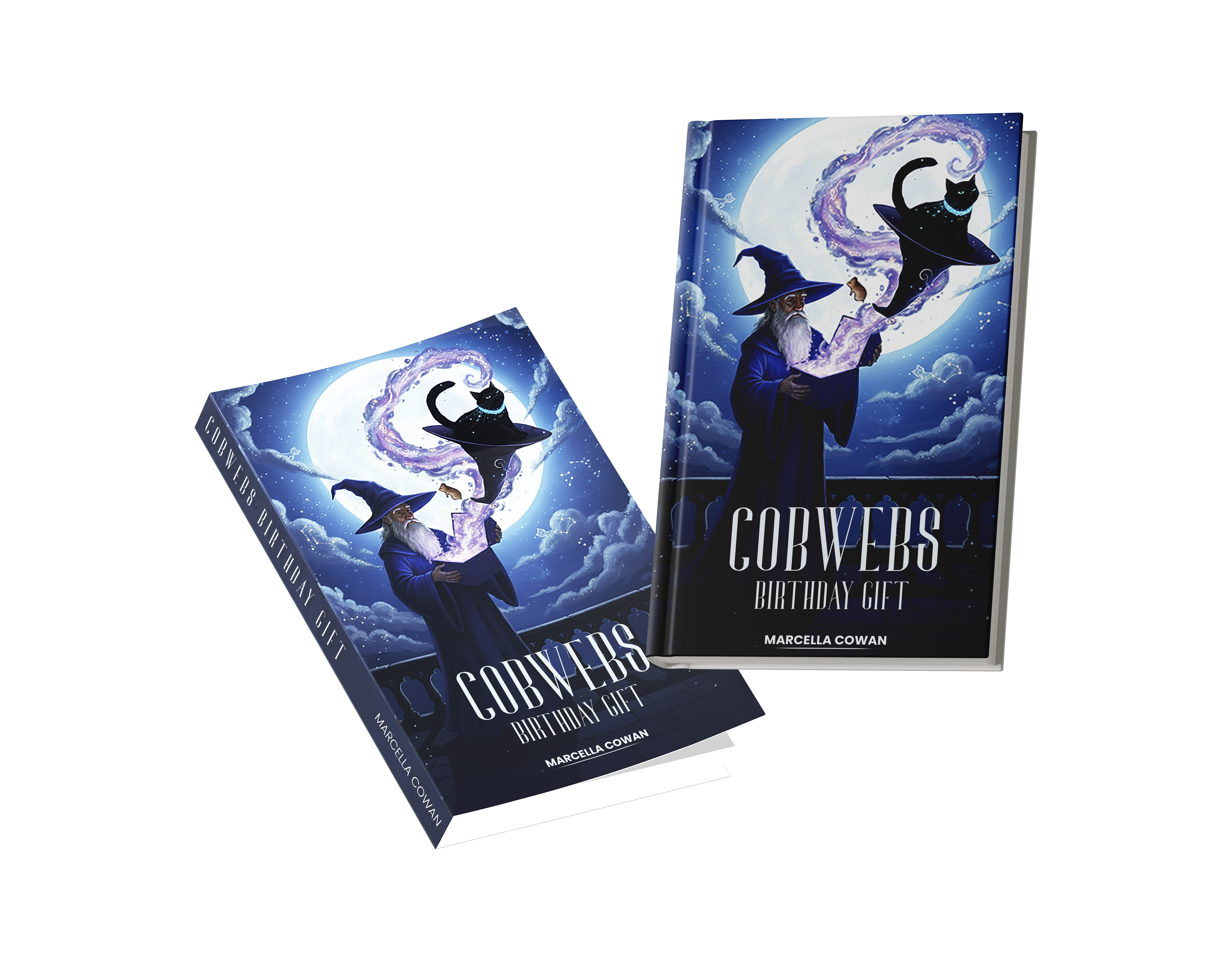
Your mystery idea deserves a plot structure that supports its clues, suspects, and reveal. Whether you're developing a cozy mystery, a crime thriller, or a psychological mystery, understanding the genre can help you make stronger creative and publishing decisions. Get started with a clear direction for your mystery and bring your idea closer to publication.
We've compiled answers to common questions authors have about mystery books, subgenres, clue placement, and developing a mystery from idea to finished manuscript.
A mystery book centers on a question, usually a crime or disappearance, that the protagonist and reader work to solve together. The story is built around clues, suspects, and a structured reveal that answers the central question by the end.
Common types include cozy mysteries, crime mysteries, psychological mysteries, whodunits, and detective procedurals. Each differs in tone, violence level, point of view, and how the investigation is carried out.
A good mystery balances fair clue placement with genuine surprise, gives suspects believable motives, and delivers a resolution that makes sense once revealed. Pacing and misdirection also play a major role in keeping readers engaged.
Most mysteries work well with three to six viable suspects, enough to create genuine uncertainty without overwhelming the reader. Each suspect should have a distinct motive and opportunity, so the investigation feels layered.
Mystery novels typically run between 70,000 and 90,000 words, though cozy mysteries can run shorter and complex crime thrillers can run longer. Length should match subgenre expectations and the amount of plot the story needs to resolve.

© 2026 Book Writers Hub All Rights Reserved.