.svg)
Get Free Consultation
Book Your Call

Book Your Call

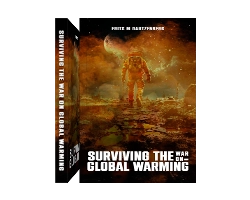
Science fiction can take many forms depending on the scope of its ideas, its setting, and the questions it explores. A science fiction book considers how technology, society, or scientific concepts shape the story while still delivering characters readers can connect with, earned situations, and a reading experience grounded in consistent internal logic.
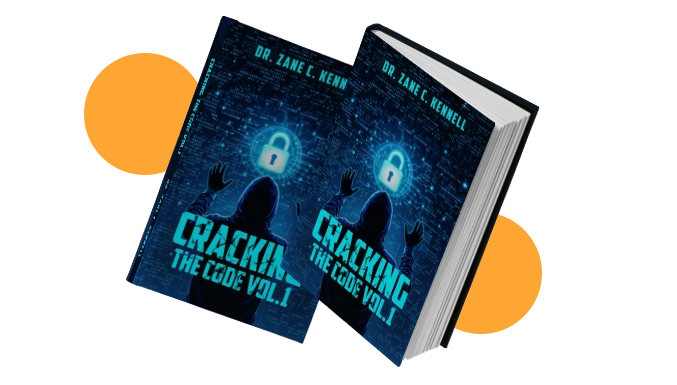
The science fiction genre spans a wide range of styles built around different levels of scientific grounding and scope. Hard science fiction leans on plausible technology and established scientific principles, while soft science fiction focuses more on social, psychological, or philosophical questions than technical accuracy. Space opera expands the scale further, following large casts across star systems, empires, and interstellar conflict.
Cyberpunk and dystopian science fiction narrow the lens, examining how technology, corporations, or authoritarian systems reshape society and the people within it. Each subgenre requires a different balance of world-building, pacing, and character focus. Understanding where a story fits helps authors set reader expectations and build a consistent, believable universe from the first page.

Science fiction depends on a world that feels internally consistent, even when its rules differ from our own. Clear technology, history, and social structure help readers accept the premise and stay immersed in the story.

Characters give science fiction its emotional center. Distinct motivations, relatable conflicts, and personal stakes help readers connect even when the setting is unfamiliar or far removed from everyday life.

Speculative ideas are central to science fiction storytelling. New technology, alternate timelines, and imagined futures raise compelling questions while giving readers fresh perspectives beyond their everyday experience.

Science fiction books often explore ethical, social, or philosophical questions. Meaningful themes work well when they emerge naturally from the plot rather than being presented as direct commentary.
A strong science fiction book begins with a clear premise and a consistent set of rules for its world. When technology, setting, characters, and themes work together, authors can create a reading experience that feels both imaginative and believable. Start shaping your science fiction idea with a clear understanding of the world you want readers to enter.

Creating a science fiction book involves more than an interesting premise. Authors need to consider world-building, the rules of their imagined technology or science, pacing, character development, and how speculative elements support rather than overwhelm the story. These elements work together to determine how believable and engaging a science fiction book feels to its readers.
A carefully developed science fiction book can entertain while also raising real questions about technology, society, or human nature. The right balance depends on the subgenre and the audience it is written for. Understanding these genre-specific considerations gives authors a stronger foundation for building stories that feel original, consistent, and compelling.

Developing a science fiction book requires careful attention to world-building, technology, and story logic. From the signed agreement to post-publication marketing, each step should support the story's premise, characters, and the readers it's written for.
Every science fiction book begins with a clear agreement. This stage outlines the scope of work, timeline, and payment structure, so the author knows exactly what to expect before writing begins.
Structured interviews help capture the author's story concept, world, and creative vision. This stage gathers premise details, character ideas, and world-building notes to shape the book's direction.
Chapters are drafted around the story's world, technology, and central conflict, keeping pacing and internal logic consistent throughout. Each section builds the speculative premise while advancing character arcs.
The manuscript is reviewed for clarity, structure, and consistency. This stage strengthens pacing, world-building logic, and readability while preserving the author's voice and vision.
Once the manuscript is finalized, we prepare the book for release. This stage covers the technical and design work needed to bring a science fiction book to market.
A published science fiction book still needs visibility. This stage focuses on positioning the book and author to reach the readers who follow speculative and genre fiction.
When you're looking for ghostwriting support for your Science Fiction book, Book Writers Hub provides a structured writing and publishing experience designed around your book's world, voice, and audience.
| Features | Book Writers Hub | Independent Sci-Fi Writers | General Fiction Studios | Typical Service Providers |
|---|---|---|---|---|
| Access to professional ghostwriting support for your Science Fiction book. | ||||
| Author retains ownership and royalties in accordance with the agreed terms. | ||||
| Flexible payment plans to accommodate different project needs. | ||||
| Publishing and distribution support for your completed book. | ||||
| Support across writing, editing, publishing, marketing, and related book services. |

Your science fiction idea deserves a world and structure that matches its scope and ambition. Whether you are developing hard science fiction, space opera, dystopian fiction, or another subgenre, understanding the genre can help you make stronger creative and publishing decisions. Get started with a clear direction for your science fiction book and bring your idea closer to publication.
We've compiled answers to common questions authors have about science fiction books, subgenres, world-building, and developing a story for genre readers.
Science fiction is a genre built around speculative ideas grounded in science, technology, or imagined future possibilities. It often explores how these elements affect characters, societies, or the world at large, using imaginative premises to examine real questions from a new angle.
Common subgenres include hard science fiction, soft science fiction, space opera, cyberpunk, and dystopian fiction. Each subgenre differs in scientific accuracy, scale, and thematic focus, giving authors different tools to build their stories.
A good science fiction book combines a consistent, believable world with characters readers care about. Clear internal logic, meaningful stakes, and ideas that feel relevant to readers help a speculative premise resonate beyond its setting.
Science fiction typically grounds its speculative elements in science, technology, or plausible extrapolation, while fantasy relies on magic or supernatural forces. This distinction often shapes how authors explain their world's rules and how readers approach the story.
Yes. Many science fiction books use speculative settings to examine political systems, ethical dilemmas, or philosophical questions. These themes work well when they arise naturally from the plot rather than overshadowing the story itself.

© 2026 Book Writers Hub All Rights Reserved.