.svg)
Get Free Consultation
Book Your Call

Book Your Call
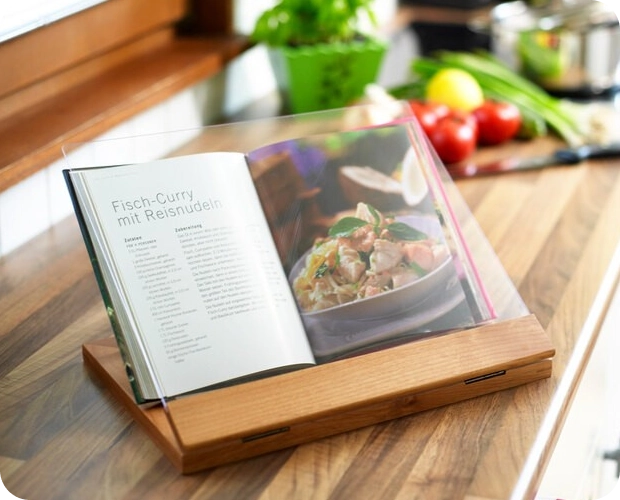
Cookbooks can take many forms depending on the cuisine, dietary focus, cooking skill level, and the story an author wants to tell. A successful cookbook considers what home cooks need in the kitchen while still giving them a clear culinary identity, consistent recipe structure, and a satisfying cooking experience.
The cookbook genre covers a wide range of formats created for different kitchens, cuisines, and cooking occasions. Personal and family cookbooks often preserve recipes passed down through generations, while restaurant and chef cookbooks introduce readers to a specific culinary identity and signature dishes. Baking cookbooks, cultural heritage cookbooks, and specialty diet cookbooks each require their own approach to recipe development and presentation.
Each category calls for a different approach to recipe organization, ingredient sourcing, measurement consistency, and instructional detail. Understanding the intended audience, whether home cooks, professional chefs, or readers following a specific diet, helps authors shape a cookbook that feels authentic without becoming difficult to follow. The strongest cookbooks meet cooks at their skill level while still reflecting the author's culinary voice.

Cookbooks need recipes that have been tested for accuracy, with precise ingredient lists, measurements, and step-by-step instructions. Reliable preparation times, temperatures, and serving sizes help home cooks and chefs recreate a dish with confidence every time.

Recipes can be organized by category, course, cuisine, or occasion, with a sequence that makes sense to the reader. Thoughtful organization helps cooks find what they need quickly, whether they are planning a meal or exploring a new cuisine.

Personal anecdotes, family history, cultural context, or a chef's professional background can give a cookbook a distinct identity. Meaningful stories work well when woven naturally around the recipes rather than distracting from their usability.

Food photography and thoughtful page layout give readers a preview of the finished dish and support recipes that might otherwise be difficult to visualize. Strong visual presentation can also reflect a restaurant's or chef's brand identity.
A strong cookbook starts with understanding its audience. When recipes, organization, storytelling, and presentation are developed around the intended cook, whether a busy parent, an experienced chef, or a home baker, authors can create a more useful and lasting cookbook. Let’s start shaping your cookbook idea with a clear understanding of the cooks you want to reach.
Creating a cookbook involves more than collecting recipes. Authors need to consider the intended audience, cuisine, dietary needs, cooking skill levels, recipe organization, ingredient sourcing, and, where applicable, the role of food photography. These elements work together to determine how effectively a cookbook connects with the cooks it is written for.
A carefully developed cookbook can guide readers through the kitchen while also reflecting a personal, family, cultural, or professional culinary identity. The right balance depends on the cookbook type and its intended audience. Understanding these genre-specific considerations gives authors a stronger foundation for developing recipes and content that feel accurate, usable, and authentic.
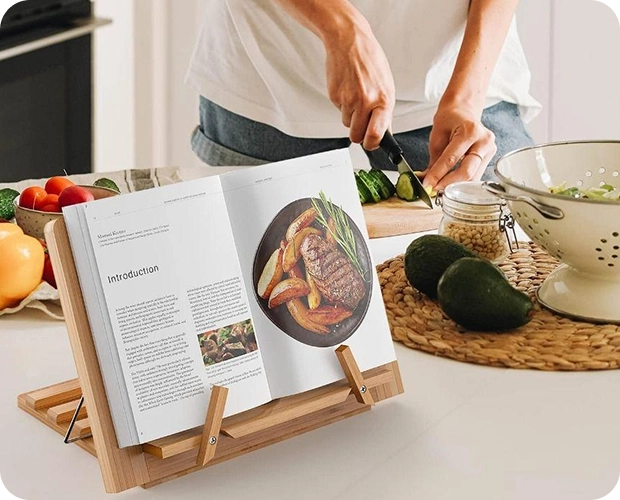
Developing a cookbook requires a clear understanding of the intended cook and a thoughtful approach to recipe writing. From the initial concept to the final publishing stage, each step should support the book's cuisine, format, recipe structure, and overall cooking experience.
Every cookbook begins with an idea that can grow into a collection that home cooks or chefs will rely on. This stage outlines the cuisine focus, format, and culinary identity that will guide every recipe that follows.
The intended audience shapes ingredient choices, instructional detail, and recipe complexity. Defining the cooking skill level early keeps every recipe realistic and usable for the readers you want to reach.
The central idea expands into a structured set of recipes built around ingredients, measurements, and preparation methods. This stage keeps every recipe testable, consistent, and ready for the kitchen.
Recipes are drafted into a complete manuscript with attention to instructions, headnotes, and chapter structure. Each section is organized so home cooks can move through the book without confusion.
The completed manuscript is reviewed for clarity, accuracy, and flow. This stage strengthens instructional consistency while preserving the author's culinary voice.
Once the manuscript is finalized, the cookbook is prepared for release in its chosen print or digital format. This stage covers the technical and design work needed to bring a cookbook to market.
When you're looking to hire a cookbook ghostwriter or a recipe book writer for hire, Book Writers Hub provides a structured writing and publishing experience designed around your recipes, cuisine, and culinary voice.
| Features | Book Writers Hub | Freelance Providers | General-Purpose Studios |
|---|---|---|---|
| Access to professional cookbook writing services for chefs, restaurants, and home cooks | |||
| Author retains ownership and royalties in accordance with the agreed terms. | |||
| Flexible payment plans to accommodate different project needs. | |||
| Publishing and distribution support for your completed cookbook. | |||
| Support across recipe development, editing, publishing, and related book services. |
Your recipe collection deserves a structure that matches its intended audience. Whether you are developing a family cookbook, a restaurant cookbook, a professional chef cookbook, or a baking cookbook, understanding the genre can help you make stronger creative and publishing decisions. As a USA based cookbook ghostwriter team, we work with self published cookbook writer, culinary professionals, and expert recipe developers to get your cookbook started with a clear direction and bring your recipes closer to publication.
We've compiled answers to common author questions, including key questions to ask before writing a cookbook, plus guidance on recipe organization, culinary storytelling, and developing a book for the kitchen.
Recipes are usually grouped by course, category, cuisine, or occasion, with a sequence that helps readers move naturally through the book. Clear organization, consistent formatting, and a logical chapter structure make it easier for home cooks to find and follow the recipes they need.
Turning grandmas recipes into a book usually starts with standardizing measurements, preparation times, and instructions so that recipes passed down informally become testable and easy to follow. Our professional cookbook ghostwriter can help preserve the original flavor and family history while making the recipes usable for a wider audience.
The cost of writing a cookbook depends on the number of recipes, the level of recipe development and testing required, and whether food photography or design support is included. Our professional cookbook content writer can provide a project-specific quote once we understand the intended scope.
A good cookbook combines accurate, testable recipes with clear organization, consistent instructions, and a culinary voice that connects with its intended audience. The right balance depends on the type of cookbook, whether it is a personal collection, a restaurant cookbook, or a specialty baking guide.
Food photography isn't required for every cookbook, but it can support visually complex recipes or reinforce a restaurant's or chef's brand identity. Many cookbooks balance photography with clear written instructions so the recipes remain usable even without an image for every dish.

© 2026 Book Writers Hub All Rights Reserved.