.svg)
Get Free Consultation
Book Your Call

Book Your Call

Biographies can take many forms depending on the subject, the available research, and the story the author wants to tell. A successful biography balances verified facts with narrative pacing, giving readers a clear sense of who the subject was and why their life matters.
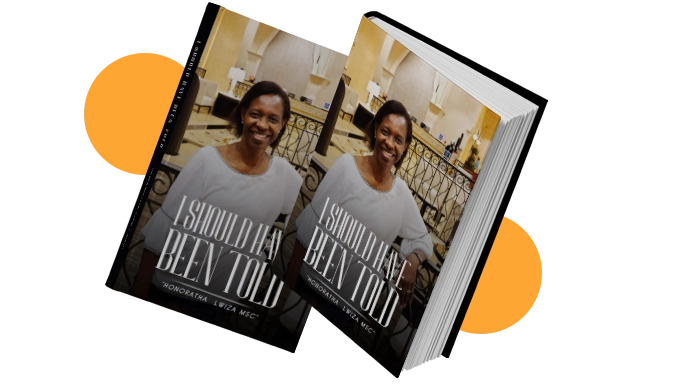
The biography genre covers a wide range of life stories, each shaped by the subject and the book's purpose. A historical figure biography writer often works from archives, letters, and secondary sources, while a family history biography writer relies more heavily on personal memories, photographs, and relatives willing to share their recollections. Celebrity, sports, military, and corporate biographies each bring their own research demands, from public records and career statistics to service records and business milestones, which is why authors often turn to an expert sports biography writer, a professional military biography ghostwriter, or a professional celebrity biography ghostwriter for the subject-specific research each project needs.
Authorized biographies are developed with the subject's cooperation and direct access to their memories, documents, or team. In contrast, unauthorized biographies rely on public records, interviews with people who knew the subject, and independently verified research. The right approach depends on the subject's involvement, the material's sensitivity, and the access an author or ghostwriter can secure. Working with our expert corporate biography ghostwriter or a public figure biography ghostwriter can help authors navigate these distinctions with more confidence.

Biographies need facts traceable to reliable sources. Archives, interviews, public records, and firsthand accounts help confirm dates, events, and details before they appear on the page. Careful verification protects both the subject's story and the author's credibility.

A biography should reflect how the subject actually spoke, thought, and experienced their life. Distinct voice and perspective help readers understand the subject as a real person rather than a list of achievements. This matters most when writing a biography about a deceased relative, where memory and family accounts carry most of the weight.

Some biographies unfold chronologically from childhood to later life, while others are organized around themes such as career, relationships, or turning points. The right structure depends on the subject and the story. Thoughtful biography narrative structure development keeps readers oriented across years or decades of material.

Biography subjects, and the people connected to them, deserve accurate and fair portrayal. Balancing honest storytelling with sensitivity toward living relatives or public reputations is part of writing a responsible biography. Meaningful biographies engage readers by treating their subjects with care.
A strong biography begins with a clear understanding of its subject and the story worth telling about their life. When research, interviews, and narrative structure are developed together, authors can create a life story that feels both accurate and engaging. Let's shape your biography with a clear sense of who your subject was and what makes their life worth sharing.

Creating a biography involves more than organizing facts. Authors need to consider research depth, interview access, chronology, narrative voice, and how much context a reader needs to understand a subject's world. These elements work together to determine whether a biography reads as credible and engaging rather than a simple record of dates.
Turning oral history interviews into a biography, or compiling family stories into a biography book, often means working with fragmented memories, conflicting accounts, and gaps that need further research or careful acknowledgment. Writing a biography about a deceased relative brings its own challenges, since the author is often relying on secondhand memories rather than the subject's own words. Understanding these genre-specific considerations, supported by biography research and interview services, gives authors a stronger foundation for developing a life story that feels accurate, complete, and true to the person it represents.

Developing a biography requires a clear understanding of the subject's story and a thoughtful approach to research and structure. From the signed agreement to post-publication marketing, each step should support the book's accuracy, narrative voice, and credibility as a life story.
Every biography project starts with a clear agreement between the author and the writing team. This stage defines the research scope, subject access, timeline, and payment terms before any writing begins.
Structured interviews with the subject, family members, or people who knew them help capture memories, milestones, and firsthand details. This stage gathers the material needed to shape an accurate and engaging life story.
Chapters are drafted using verified research and interview material, organized around the subject's timeline or central themes. Each section balances factual accuracy with narrative pacing that keeps readers engaged.
The manuscript is reviewed for accuracy, clarity, and tone. This stage strengthens the flow of the biography while confirming that names, dates, and events match verified sources.
Once the manuscript is finalized, the biography is prepared for release. This stage covers the design and technical work needed to bring a completed life story to print or digital formats.
A published biography still needs visibility to reach readers. This stage focuses on positioning the subject's story to reach the audience most likely to value it, whether family, fans, or a wider readership.
When you're looking for a professional celebrity biography ghostwriter or support for a family history biography project, we provide a structured writing and publishing experience designed around your subject's story, sources, and goals.
| Features | Book Writers Hub | Freelance Biography Writers | General Ghostwriting Studios | Typical Writing Providers |
|---|---|---|---|---|
| Access to professional ghostwriting support for your Biography. | ||||
| Author retains ownership and royalties in accordance with the agreed terms. | ||||
| Flexible payment plans to accommodate different project needs. | ||||
| Publishing and distribution support for your completed book. | ||||
| Support across writing, editing, publishing, marketing, and related book services. |

Your biography deserves a narrative structure that matches its subject and the story you want to tell. Whether you are working on a family history, a historical figure's life story, or biography ghostwriting for a well known personality, understanding the genre can help you make stronger research and publishing decisions. Get started with a clear direction for your biography and bring your subject's story closer to publication.
We've compiled answers to common questions authors have about biographies, research, interviews, developing a credible life story, and questions people ask before hiring a biographer.
Biographies can focus on historical figures, celebrities, athletes, military service members, corporate leaders, or family members. Some are authorized, developed with the subject's direct involvement, while others are unauthorized and built from public records and independent research. The right type depends on the subject and the access available to the author.
Researching a biography subject usually involves archives, public records, published interviews, photographs, and firsthand accounts from people who knew them. For historical figures, this often means working through letters, newspapers, and historical documents, while family biographies rely more on personal records and relatives' memories. Cross-checking facts across multiple sources helps confirm accuracy before writing anything.
Interviewing a biography subject or the people who knew them works well with clear, open-ended questions that invite detailed memories rather than short answers. Recording sessions, taking notes on specific dates and events, and following up on inconsistencies all help build a more reliable account. Multiple interviews are often needed to fill gaps and confirm earlier details.
An authorized biography is developed with the subject's cooperation, giving the author access to personal interviews, private documents, or people close to the subject. Unauthorized biographies are researched independently, using public records and outside sources without the subject's direct involvement. Authorization can affect both the depth of detail available and the tone of the finished book.
Biography length depends on the scope of the subject's life and the amount of verified material available. A focused biography covering one period or achievement may run shorter, while a full life story spanning decades often requires more depth and chapters. The right length fully supports the subject's story without unnecessary padding.

© 2026 Book Writers Hub All Rights Reserved.