.svg)
Get Free Consultation
Book Your Call

Book Your Call

Business books take different shapes depending on the author's goals, industry, and audience. A well-developed book balances credibility with readability, giving professionals a resource that informs decisions, sharpens skills, or strengthens their standing in their field.
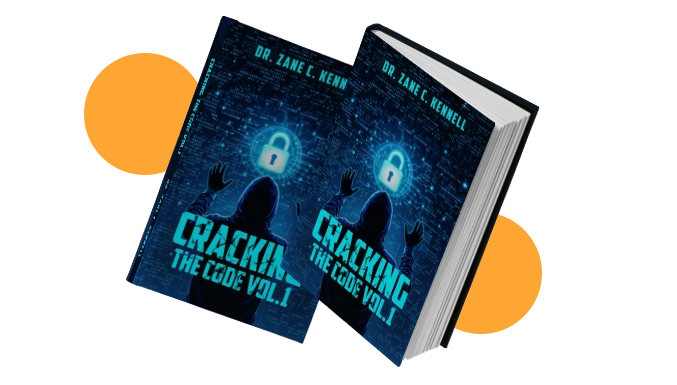
The business genre covers a wide range of books written for different professional purposes. Leadership and management titles focus on guiding teams and organizations, while entrepreneurship and startup books often follow the author's journey from idea to execution. Strategy and innovation books break down frameworks and decision-making models, and personal development titles connect professional growth to mindset, habits, and career direction.
Each category calls for a different balance of structure, tone, and evidence. Some readers want step-by-step frameworks they can apply immediately, while others want perspective and experience they can learn from. Understanding which type of business book fits an author's message helps shape a manuscript that feels purposeful rather than scattered.

Business readers look for organization. Chapters that build logically toward a central idea, supported by clear frameworks or steps, make complex topics easier to follow and apply.

A business book carries more weight when it reflects real experience, research, or results. Readers expect the author's perspective to be grounded in genuine professional knowledge.

Strong business books go beyond theory. Case studies, examples, and actionable takeaways give readers tools they can use in their own work or organization.

The most memorable business books communicate one clear message throughout, rather than trying to cover every idea the author has. Focus helps the book resonate and stay useful.
A strong business book starts with a clear understanding of its audience and message. When you build structure, tone, and evidence around the reader's needs, you can create a book that builds credibility rather than simply filling pages. Start shaping your business book idea with a clear sense of the professionals you want to reach.

Creating a business book involves more than compiling professional knowledge. Authors need to consider the intended audience, core message, chapter structure, use of case studies or data, and the overall tone that will resonate with executives, entrepreneurs, or industry peers. These elements work together to determine how clearly a book communicates its ideas.
A carefully developed business book can inform decisions, support a professional brand, and position an author as a credible voice in their field. The right balance of authority and accessibility depends on the topic and the intended readers. Understanding these genre-specific considerations gives authors a stronger foundation for a book that reads as both useful and worthy.

Developing a business book requires a clear understanding of the author's expertise and a thoughtful approach to structure. From the signed agreement to post-publication marketing, each step should support the book's message, audience, and professional credibility.
Every business book begins with a clear agreement. This stage outlines the scope of work, timeline, and payment structure, so the author knows exactly what to expect before writing begins.
Structured interviews help capture the author's expertise, voice, and business experience. This stage gathers frameworks, stories, and professional insight to shape the book's direction.
Chapters are drafted using the material gathered during discovery, organized around the book's core message. Each section keeps professional readers engaged while delivering practical value.
The manuscript is reviewed for clarity, structure, and accuracy. This stage strengthens the book's readability and professional tone while preserving the author's voice and message.
Once the manuscript is finalized, we prepare the book for release. This stage covers the technical and design work needed to bring a business book to market.
A published business book still needs visibility. This stage focuses on positioning the author and the book to reach the entrepreneurs, executives, and professionals it was written for.
When you're looking for ghostwriting support for your business book, Book Writers Hub provides a structured writing and publishing experience designed around your book's message, expertise, and audience.
| Features | Book Writers Hub | Independent Business Writers | General Content Agencies | Typical Writing Providers |
|---|---|---|---|---|
| Access to professional ghostwriting support for your Business book. | ||||
| Author retains ownership and royalties in accordance with the agreed terms. | ||||
| Flexible payment plans to accommodate different project needs. | ||||
| Publishing and distribution support for your completed book. | ||||
| Support across writing, editing, publishing, and related book services. |
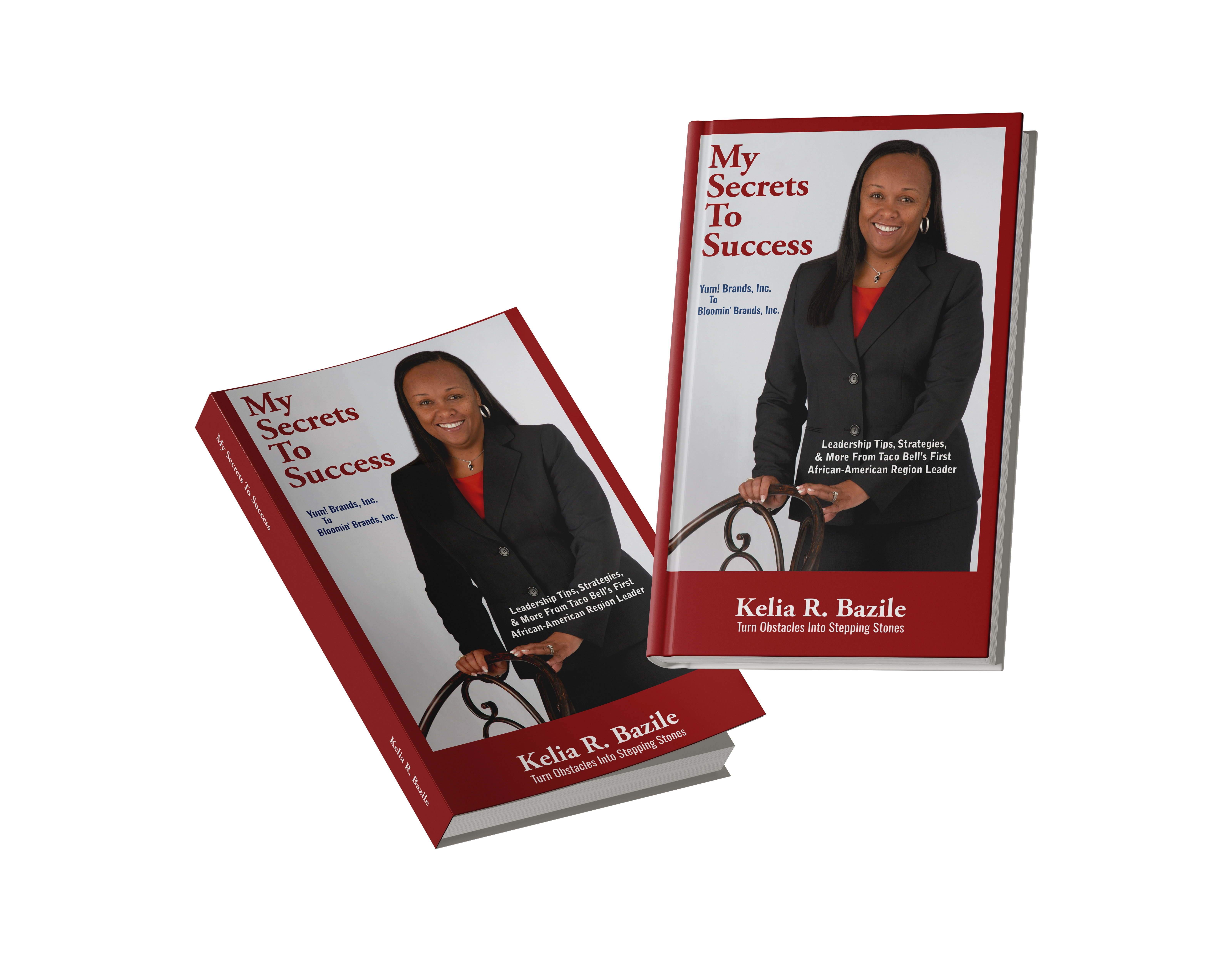
Your business knowledge deserves a book structure that matches its intended audience. Whether you are developing a leadership guide, an entrepreneurship story, a strategy framework, or another type of business book, understanding the genre can help you make stronger creative and publishing decisions. Get clear direction for your business book and bring your expertise closer to publication.
We've compiled answers to common questions authors have about business books, audience positioning, structure, and how to develop a book that reflects professional expertise.
Business books span several formats, including leadership and management guides, entrepreneurship and startup stories, strategy and innovation frameworks, personal development and career guidance, and books built around a founder's or executive's professional journey. Some focus on a single framework, while others combine case studies, research, and personal experience to support a broader business message.
Business books are typically written for entrepreneurs, executives, founders, consultants, coaches, and other professionals who want to share practical knowledge, establish authority in their field, or document lessons learned from building a business or career. The intended reader shapes the content's tone, structure, and depth.
A strong business book presents a clear message, organizes ideas logically, and gives readers practical takeaways they can apply. It balances professional credibility with an accessible writing style, so readers can follow complex concepts without feeling overwhelmed by jargon or theory.
Length varies by topic and format. Many business books fall between 30,000 and 60,000 words, though shorter, focused books and longer, research-driven titles are both common. The right length depends on how much depth the subject and intended audience require.
Yes. Personal experience, client examples, and case studies are often what make a business book memorable. When woven into the framework or advice being shared, they help readers connect professional concepts to real outcomes rather than abstract theory.

© 2026 Book Writers Hub All Rights Reserved.