.svg)
Get Free Consultation
Book Your Call

Book Your Call
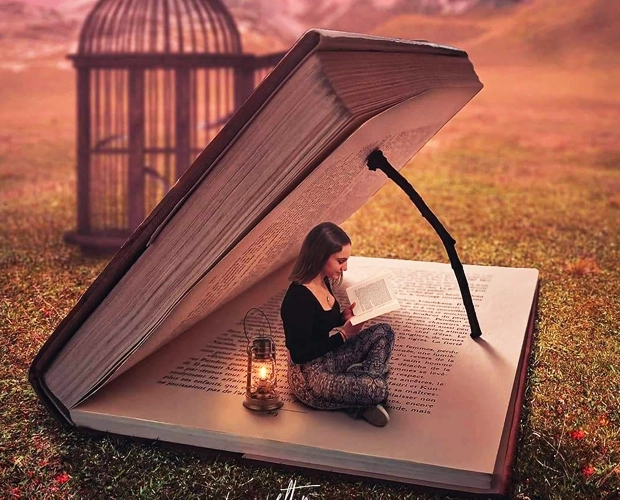
Art and photography books can take many forms depending on the subject, medium, and purpose of the work. A successful book considers how images are selected, sequenced, and presented while giving readers enough context to understand the story or perspective behind the visuals.
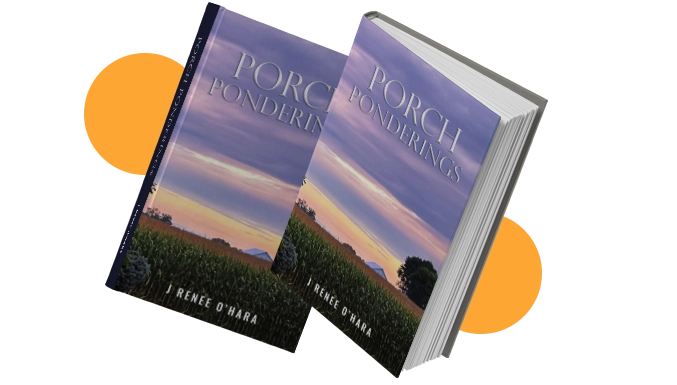
The art and photography genre covers a wide range of books created for different creative purposes. Coffee-table books often pair striking full-page images with minimal text, while monographs explore a single artist's or photographer's body of work in depth. Portfolio collections and project-based books can document a specific series, theme, or period of work with more detailed captions and narrative context.
Each category requires a different approach to layout, image sequencing, and the balance between visuals and text. Understanding the intended purpose helps artists and photographers shape a book that feels appropriate without over-explaining the work. The strongest art and photography books let the images lead while giving readers enough context to appreciate what they are seeing.

The order in which images appear shapes how readers experience a book. Thoughtful sequencing creates rhythm, contrast, and a sense of progression, helping individual images build into a complete visual narrative rather than a disconnected collection.

Art and photography books depend on accurate color, sharp detail, and print quality that reflects the original work. Clear reproduction standards protect the integrity of the images and give readers a true sense of the creator's intent.

Readers connect with books that reflect a genuine creative perspective. A consistent visual style, subject focus, or point of view gives a collection its own identity and helps it stand apart from a random assortment of images.

Captions, artist statements, and short narrative passages can give readers insight into the ideas, process, or history behind the work. The right amount of text supports the images without overshadowing them.
A strong art or photography book begins with a clear understanding of the work itself. When image selection, sequencing, and supporting text are developed around the project's purpose and audience, artists and photographers can create a book that reads as a complete visual experience. Start shaping your art or photography book idea with a clear sense of the story your images tell.
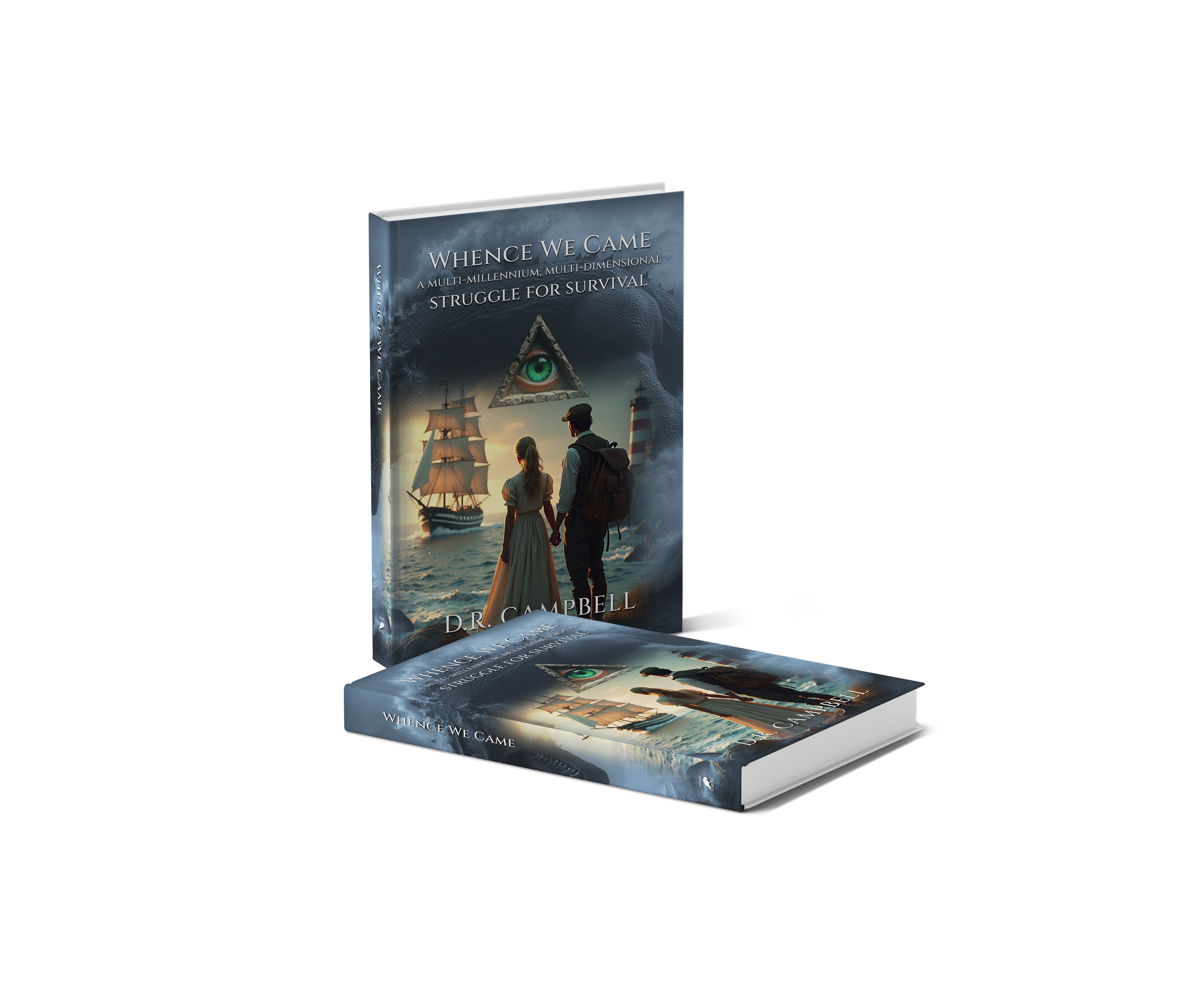
Creating an art or photography book involves more than gathering strong images. Authors and creators need to consider image sequencing, layout, the ratio of visuals to text, captions or artist statements, and how the finished book will be printed and presented. These elements work together to determine how effectively a book represents the work.
A carefully developed art or photography book can inform, inspire, document, or showcase a body of work, depending on its purpose. The right balance between visual and written content depends on the project and its intended audience. Understanding these genre-specific considerations gives artists and photographers a stronger foundation for developing a book that feels intentional and complete.
An art or photography book requires careful attention to image selection, sequencing, and visual presentation. From the signed agreement to post-publication marketing, each step should support the project's visual story, artistic voice, and intended audience.
Every art or photography book begins with a clear agreement. This stage outlines the scope of work, timeline, and payment structure, so you know exactly what to expect before your project moves forward.
Structured conversations help us understand your creative vision, subject matter, and the story behind your images. This stage gathers the context, influences, and intent that will shape the book's direction.
Review and organize images alongside any captions, artist statements, or narrative text. This stage focuses on sequencing the visuals and drafting supporting content that complements the work.
The supporting text and layout are reviewed for clarity, accuracy, and consistency. This stage strengthens the book's readability and visual flow while preserving the artist's or photographer's voice.
Once the content and image sequence are finalized, we prepare the book for release. This stage covers the technical and design work needed to bring an art or photography book to print or digital formats.
A published art or photography book still needs visibility. This stage focuses on positioning the artist or photographer and the book to reach galleries, collectors, and readers interested in visual work.
When you are looking for support for your Art & Photography book, Book Writers Hub provides a structured writing and publishing experience built around your project's visual goals, voice, and audience.
| Features | Book Writers Hub | Freelance Providers | General-Purpose Studios | General-Purpose Studios |
|---|---|---|---|---|
| Access to professional support for your Art & Photography book. | ||||
| Author retains ownership and royalties in accordance with the agreed terms. | ||||
| Flexible payment plans to accommodate different project needs. | ||||
| Publishing and distribution support for your completed book. | ||||
| Support across writing, editing, publishing, and related book services. |
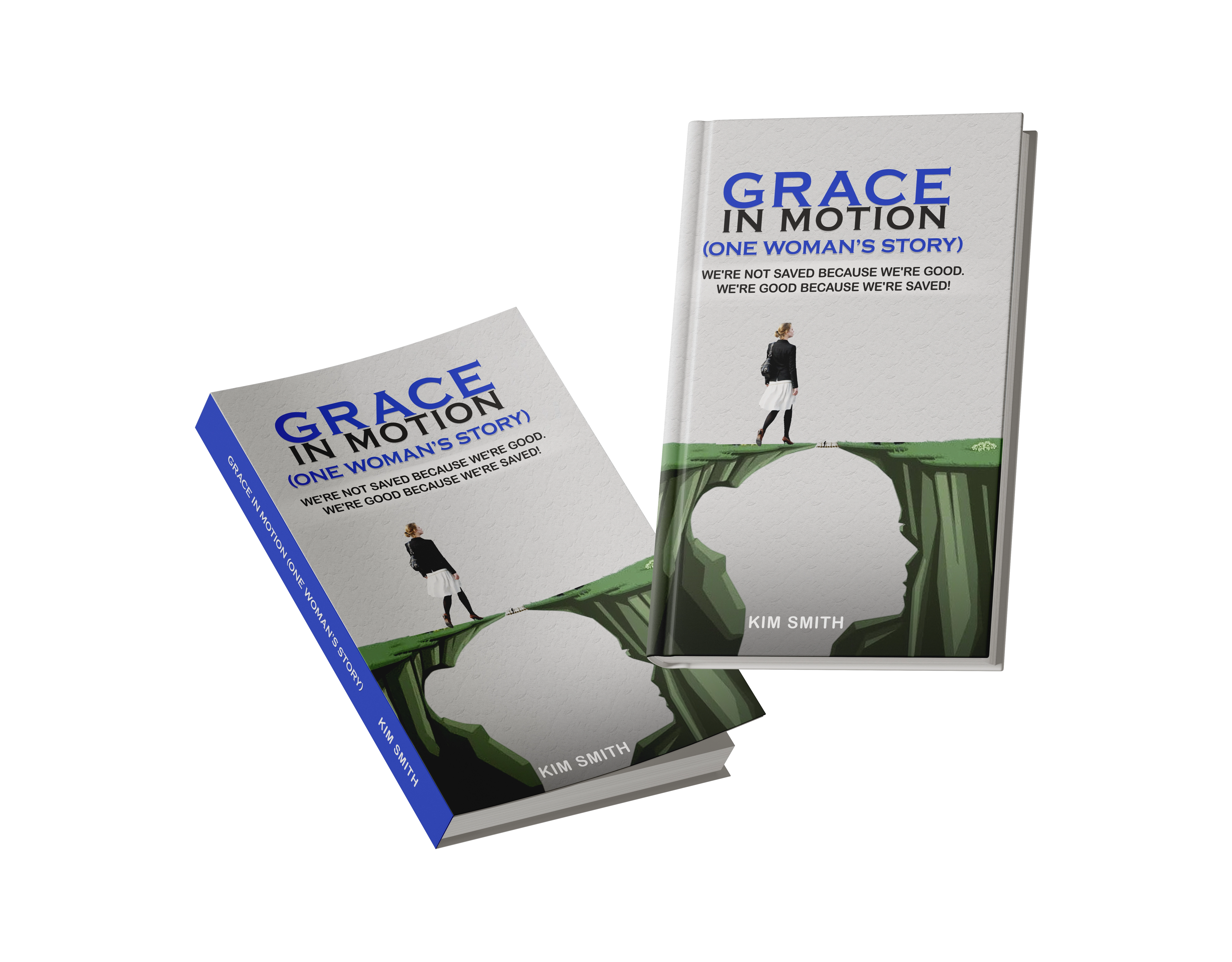
Your art or photography project deserves a book structure that matches its purpose and audience. Whether you are developing a coffee-table book, a monograph, a portfolio collection, or another type of visually driven book, understanding the genre can help you make stronger creative and publishing decisions. Get clear direction for your Art & Photography book and bring your work closer to publication.
We've compiled answers to common questions artists and photographers have about Art & Photography books, image selection, layout, and bringing a visual project to publication.
Art and photography books are visually driven publications built around a collection of images, whether that is fine art, photography, illustration, or design work. They can range from coffee-table books meant for browsing to in-depth monographs that document a single artist's or photographer's body of work.
Common formats include coffee-table books, artist and photographer monographs, portfolio collections, project-based photo books, and instructional or process-focused art books. Each format serves a different purpose, from showcasing finished work to documenting a creative journey.
A strong art or photography book has clear image sequencing, consistent visual quality, and just enough supporting text to give readers context without overshadowing the images. It reflects a defined artistic voice and a sense of purpose from start to finish.
The right number of images depends on the book's format, size, and purpose. A focused monograph might feature fewer, carefully selected images, while a broader collection or coffee-table book can include a larger range, as long as sequencing and pacing stay intentional.
Yes. Many art and photography books include artist statements, project narratives, or captions that provide context, process details, or personal insight. The amount of text varies by project, but it should support the visuals rather than compete with them.
© 2026 Book Writers Hub All Rights Reserved.