.svg)
Get Free Consultation
Book Your Call

Book Your Call

Fantasy spans a wide range of styles, from richly detailed epic sagas to contemporary stories where magic hides in plain sight. A successful fantasy book considers how its world, magic system, and characters work together to create an experience readers can lose themselves in.

The fantasy genre covers a wide range of styles built for different kinds of readers. High fantasy and epic fantasy often unfold in fully invented worlds with their own histories, kingdoms, and mythologies, while urban fantasy blends magic into modern, recognizable settings. Portal fantasy carries characters from the everyday world into a hidden or magical one, and dark fantasy leans into tension, moral complexity, and unsettling atmosphere. Romantasy pairs fantasy world-building with a central romance, giving readers both adventure and emotional connection.
Each subgenre requires a different approach to pacing, tone, and world detail. Understanding where a story fits helps authors shape a magic system, cast of characters, and central conflict that match reader expectations. The strongest fantasy books commit fully to their chosen subgenre while still leaving room for original ideas and unexpected turns.

Fantasy readers need a world with its own internal logic. Clear rules for magic, geography, and history help readers follow the story, even when it leads them into the extraordinary.

Heroes, villains, and magical beings give readers someone to follow through danger and discovery. Distinct motivations, flaws, and growth make characters feel real inside an imagined world.

Magic systems, lore, and invented cultures are central to fantasy storytelling. Thoughtful, consistent magic can raise the stakes and shape the plot rather than decorate it.

Fantasy books can explore courage, sacrifice, power, identity, and belonging. The strongest stories weave these themes naturally into the quest rather than stating them outright.
A strong fantasy book begins with a world readers want to return to. When the setting, magic system, characters, and central conflict are developed together, authors can create a more immersive and believable reading experience. Start shaping your fantasy idea with a clear sense of the world you want readers to enter.
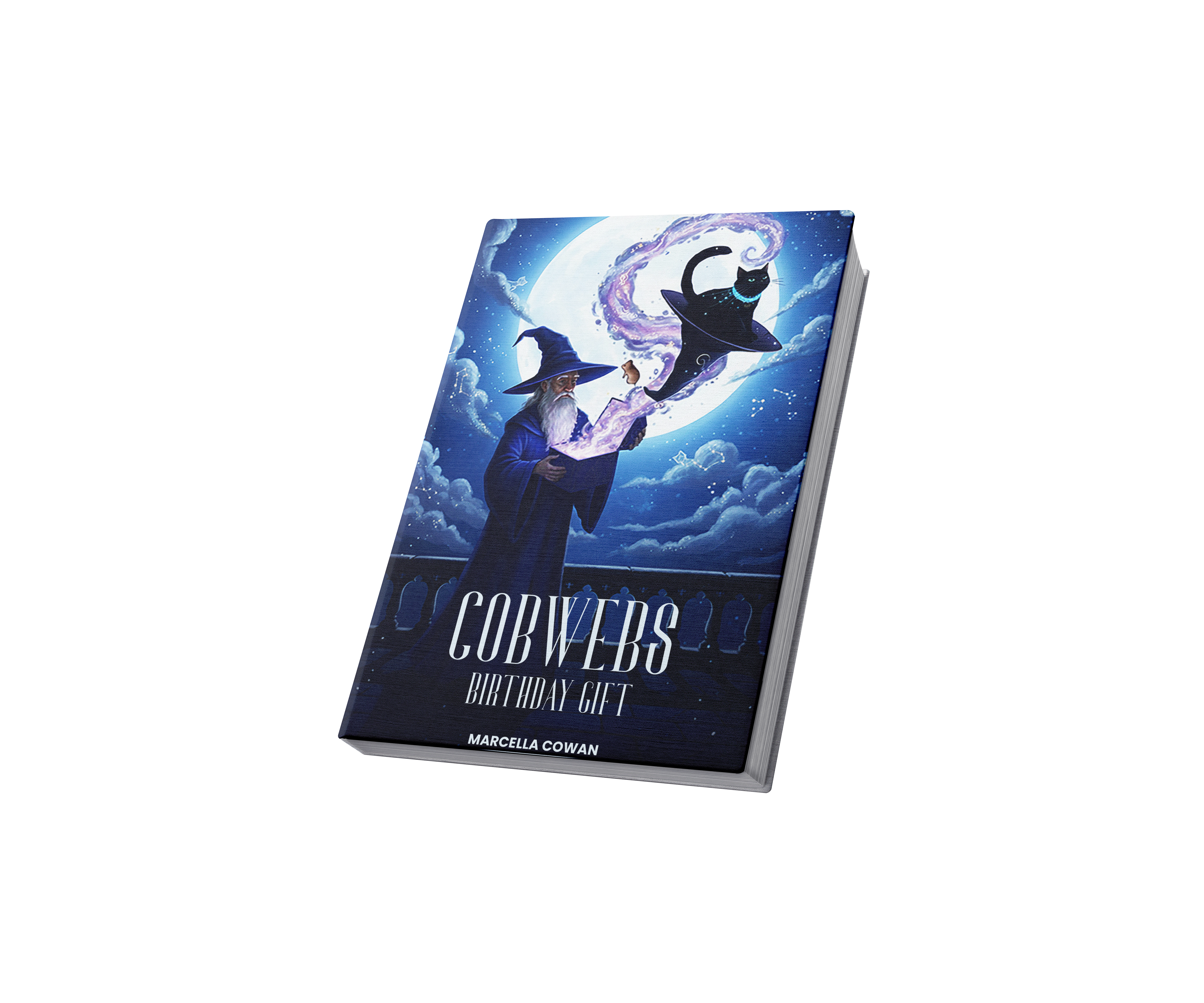
Creating a fantasy book involves more than inventing a magic system or a new world. Authors need to consider internal consistency, pacing, character arcs, the structure of the central quest, and how much world-building detail belongs on the page versus behind the scenes. These elements work together to determine how convincingly a story draws readers into its world.
A carefully developed fantasy book can deliver adventure while also exploring theme, emotion, and the consequences of power. The right balance depends on the subgenre and the audience. Understanding these genre-specific considerations gives authors a stronger foundation for building a world that feels original, consistent, and engaging.

Developing a fantasy book requires a clear plan for building the world, the magic system, and the story arc before a single chapter is drafted. From the signed agreement to post-publication marketing, each step should support the world you're building and the readers who will explore it.
Every fantasy book begins with a clear agreement. This stage outlines the scope of work, timeline, and payment structure, so the author knows exactly what to expect before world-building begins.
Structured interviews help capture the author's story idea, world concept, and creative vision. This stage gathers magic system details, character backgrounds, and plot direction to shape the book.
Chapters are drafted using the world and story elements gathered during discovery, building the plot around the central quest and conflict. Each chapter maintains consistent pacing and immersion for fantasy readers.
The manuscript is reviewed for pacing, clarity, and consistency across the world and magic system. This stage strengthens the story's structure while preserving the author's voice and vision.
Once the manuscript is finalized, we prepare the book for release. This stage covers the technical and design work needed to bring a fantasy book to market.
A published fantasy book still needs visibility among readers who love the genre. This stage focuses on positioning the author and the book to reach fantasy readers and genre communities.
When you're looking for ghostwriting support for your fantasy book, Book Writers Hub provides a structured writing and publishing experience designed around your world, voice, and audience.
| Features | Book Writers Hub | Freelance Fantasy Writers | General Ghostwriting Studios | Typical Service Providers |
|---|---|---|---|---|
| Access to professional ghostwriting support for your Fantasy book. | ||||
| Author retains ownership and royalties in accordance with the agreed terms. | ||||
| Flexible payment plans to accommodate different project needs. | ||||
| Publishing and distribution support for your completed book. | ||||
| Support across writing, editing, publishing, marketing, and related book services. |
Your fantasy idea deserves a world and story structure that matches its scope and audience. Whether you are developing an epic saga, an urban fantasy series, or a stand-alone portal adventure, understanding the genre can help you make stronger creative and publishing decisions. Get started with a clear direction for your fantasy book and bring your world closer to publication.
We've compiled answers to common questions authors have about fantasy books, subgenres, world-building, and developing a story for fantasy readers..
Fantasy books are stories built around imaginative elements that don't exist in the real world, such as magic, invented creatures, or fictional worlds and histories. The genre ranges from fully invented realms to modern settings where magic operates just beneath the surface.
Common subgenres include high and epic fantasy, urban fantasy, dark fantasy, romantasy, and portal fantasy. Each carries its own conventions for setting, tone, and the role magic plays in the story.
A good fantasy book combines a consistent, believable world with characters readers care about and a magic system that shapes the plot rather than simply existing in the background. Pacing and stakes matter as much as imagination.
Fantasy manuscripts tend to run longer than books in many other genres because of the world-building involved. Epic and high fantasy novels often fall between 90,000 and 150,000 words, while some subgenres, like urban fantasy or YA fantasy, can run shorter.
Yes. Many fantasy books use invented worlds to explore real themes such as power, identity, loss, or belonging. When woven naturally into the plot, these themes can add depth without turning the story into a lesson.

© 2026 Book Writers Hub All Rights Reserved.